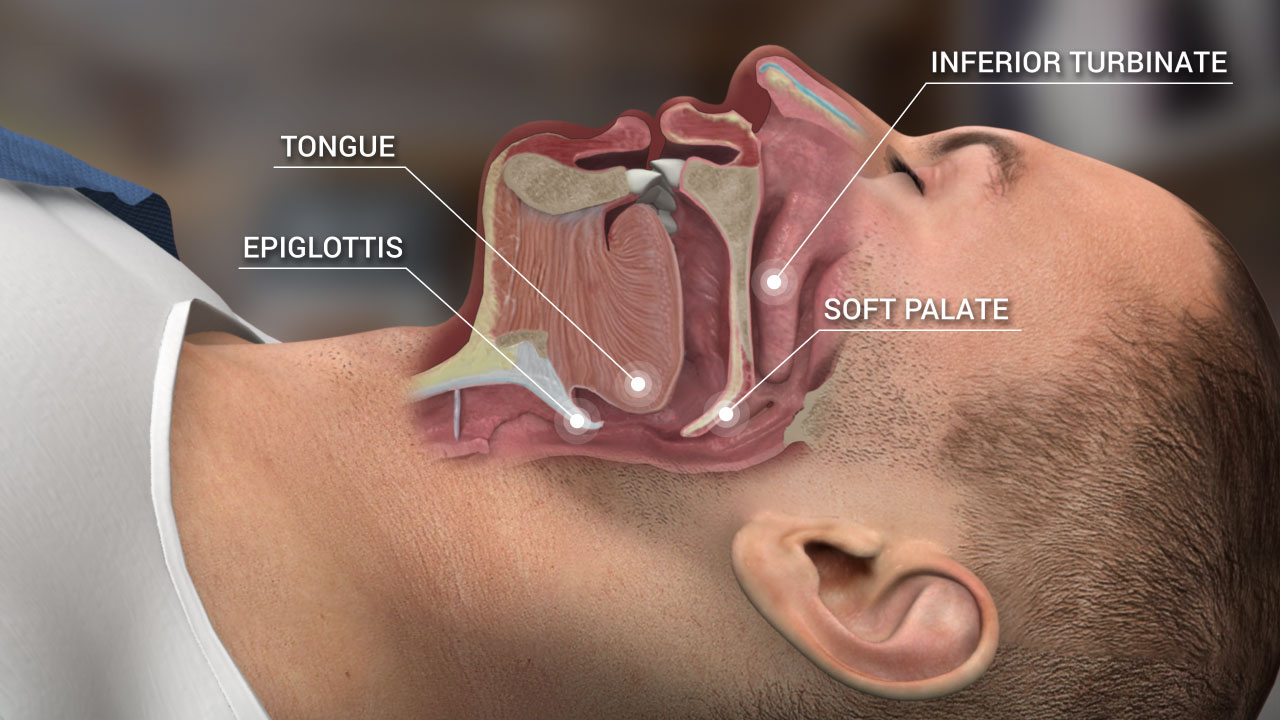
Twenty-five years in 3D. Fifteen years focused exclusively on medical animation. Thousands of hours translating CAD files into surgical animations, mechanism of action sequences, and investor presentations.
But here's what pushed me to launch Pulse 3D Media: I kept watching brilliant medical device companies get burned by the same broken process.
You'd think that after two decades in this industry, medical animation would be straightforward by now. But for most device companies, it's still a mess:
These aren't just inconveniences. They're deal-breakers when you're preparing for an FDA submission, a trade show, or a critical investor meeting.
The medical animation market is projected to reach $1.99 billion by 2030, driven by proven ROI across regulatory, sales, and training applications. Yet despite this growth, most device companies still struggle with animation production.
Here's what the research shows:
With these kinds of results, animation should be a straightforward investment. But the production process often undermines the value.
I built Pulse 3D Media around three principles that should be standard—but somehow aren't:
1. Radical Transparency
You know exactly what you're paying for, when you'll see it, and what the revision process looks like. No surprise bills. No vague timelines. Every project includes clear milestones, defined deliverables, and upfront pricing.
2. The Alpha-Beta Process
Our systematic review process means you see progress at clear milestones. Feedback gets implemented methodically. Nothing gets lost in translation. Alpha reviews focus on structure and accuracy. Beta reviews focus on polish and refinement. This separation eliminates the chaos of endless revision cycles.
3. Agency Quality Without Agency Overhead
You get the same level of work that the big agencies deliver—minus the bloated teams, unnecessary meetings, and inflated costs. Twenty-five years of experience means efficient workflows, faster turnarounds, and better results.
Pulse 3D Media specializes in orthopedic and spine device companies—from early-stage startups preparing their first investor deck to established manufacturers launching next-gen products.
Our core services include:
If you're working with implants, instruments, or surgical techniques that are hard to explain with words alone, we can help you show it clearly.
Here's the standard I hold myself to: when you present our animation to your surgeon advisors, your sales team, or your investors, you should look like a genius for choosing the right partner.
That means:
Several market forces are making medical animation essential in 2026:
Regulatory Pressure
40% of healthcare companies now prefer animated videos over traditional training manuals for regulatory and sales training. FDA reviewers increasingly expect clear visual documentation of device mechanisms.
Digital-First Sales
With fewer in-person meetings, sales teams need visual assets that work independently. Animations can be sent before meetings, shared in emails, and embedded in digital presentations.
Investor Sophistication
Venture capital and private equity firms now expect high-quality visual communication in pitch decks. Animation has become the standard way to demonstrate device innovation.
Training Efficiency
Companies using animation for training report 60% lower training costs and 40-60% faster onboarding compared to traditional methods.
Companies searching for medical animation partners use these terms:
Over the coming weeks, I'll be sharing what I've learned from 15 years in medical animation—the good, the bad, and the expensive mistakes I've watched companies make.
Topics coming up:
If you're evaluating animation partners, preparing for a product launch, or just trying to understand what this process should actually look like, you're in the right place.
Welcome to Pulse 3D Media. Let's make your innovation visible.