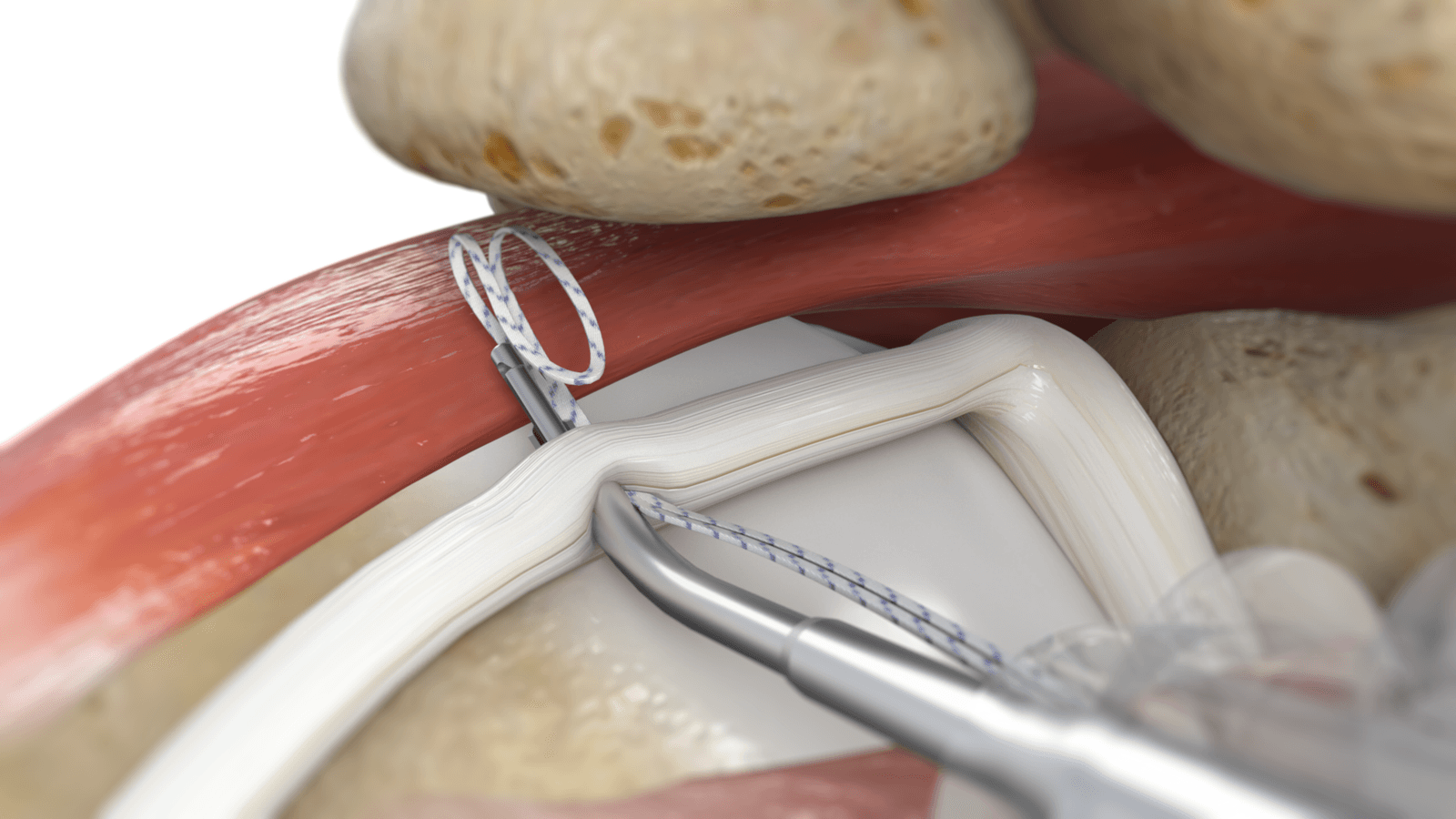
Surgical Procedure Animations
Help surgeons, staff, and training teams quickly understand your device’s procedural workflow with clear visuals created in close collaboration with your team.
Recent Surgical Procedure Projects
One procedure, every step in order.
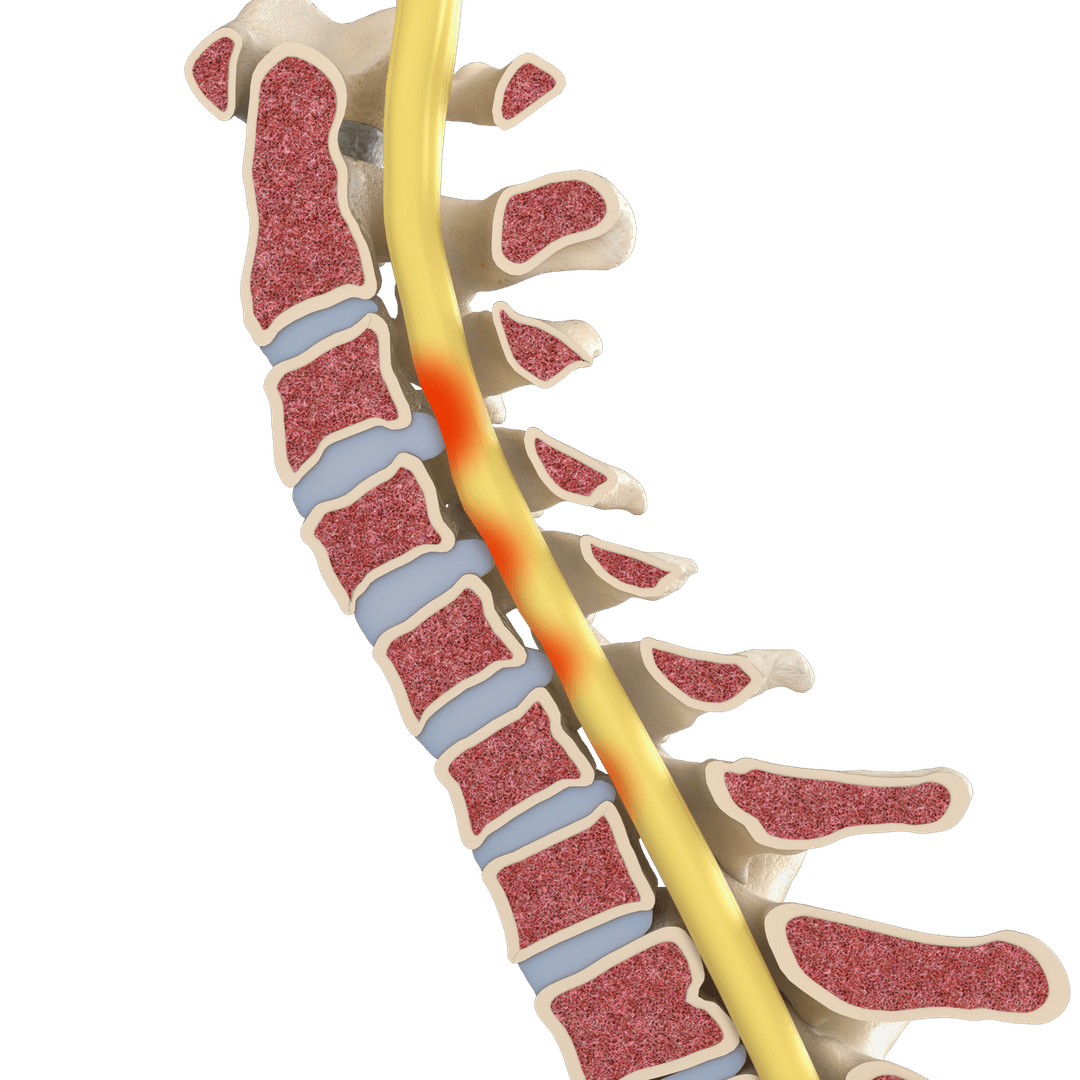
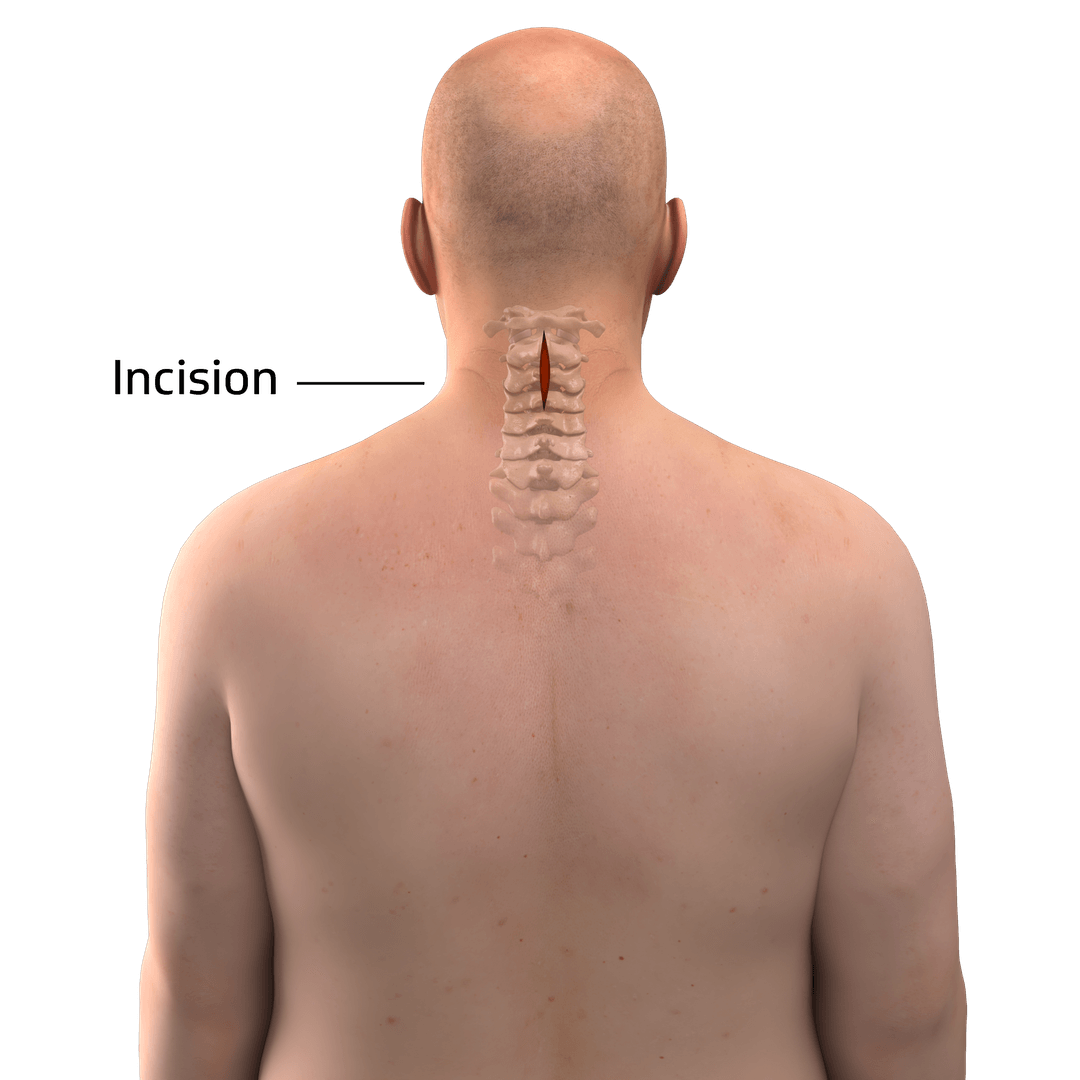
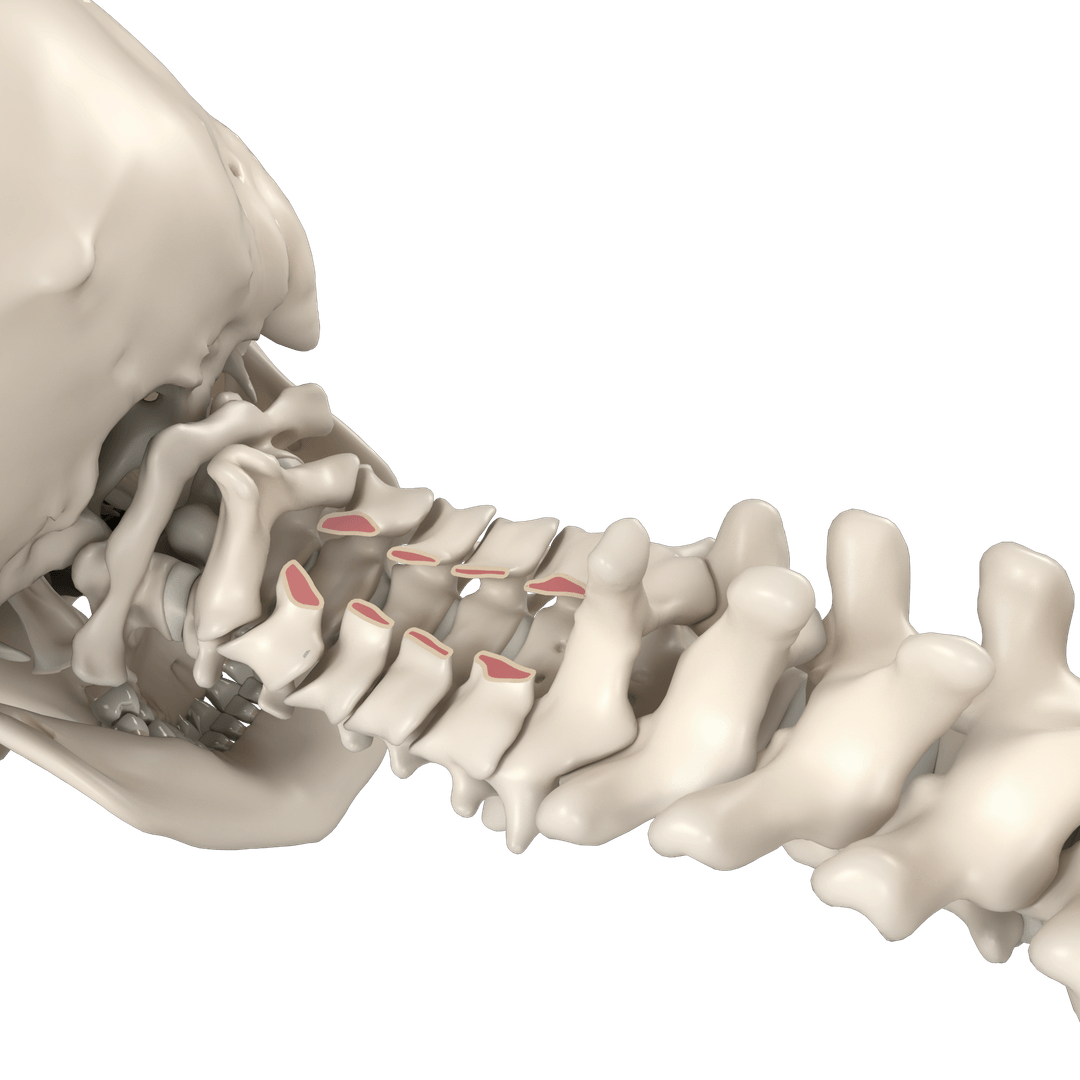
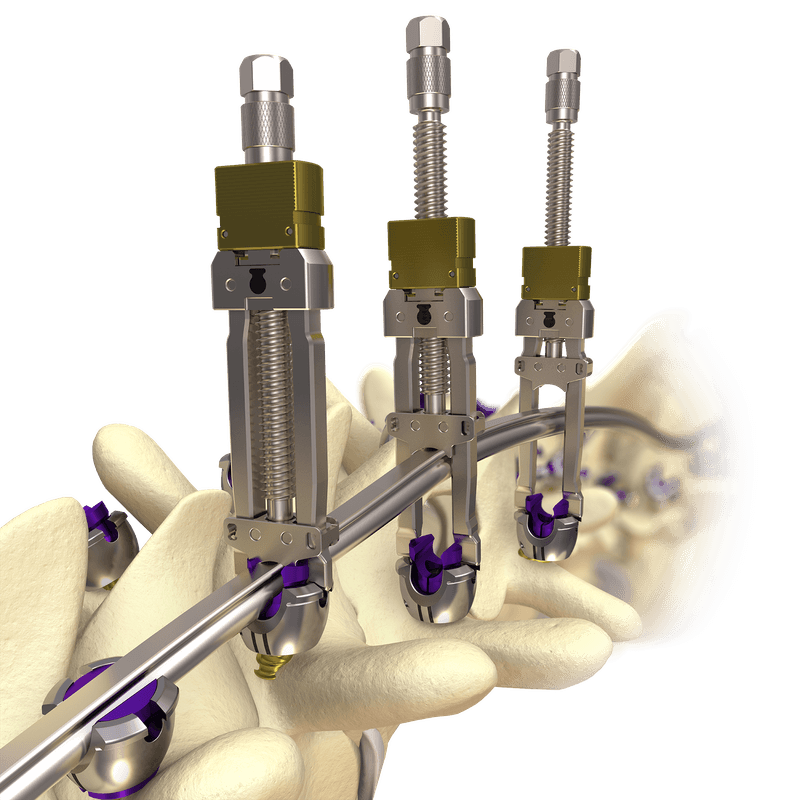
Frames from a posterior cervical fixation animation. Click a step, use the arrows, or let it play.
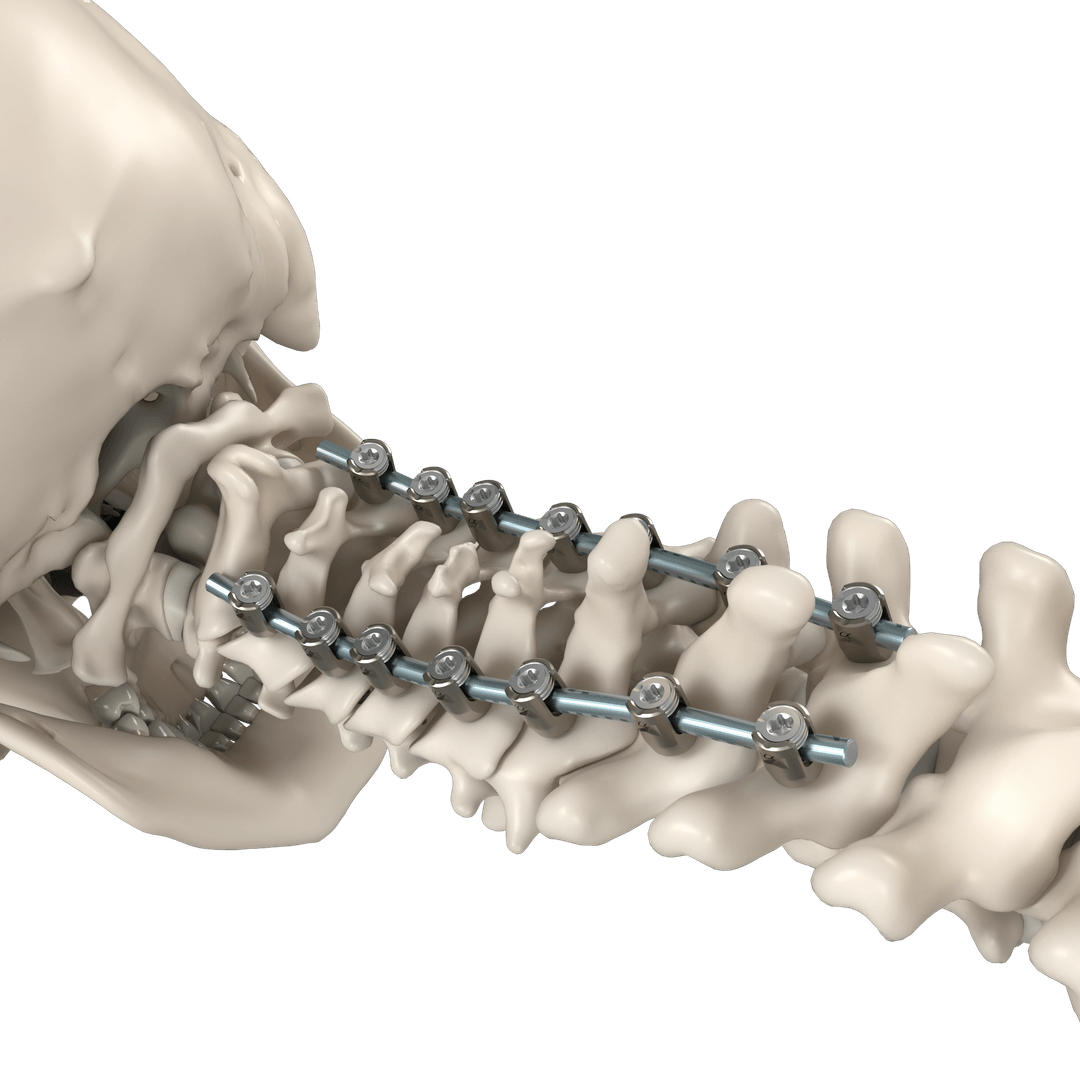
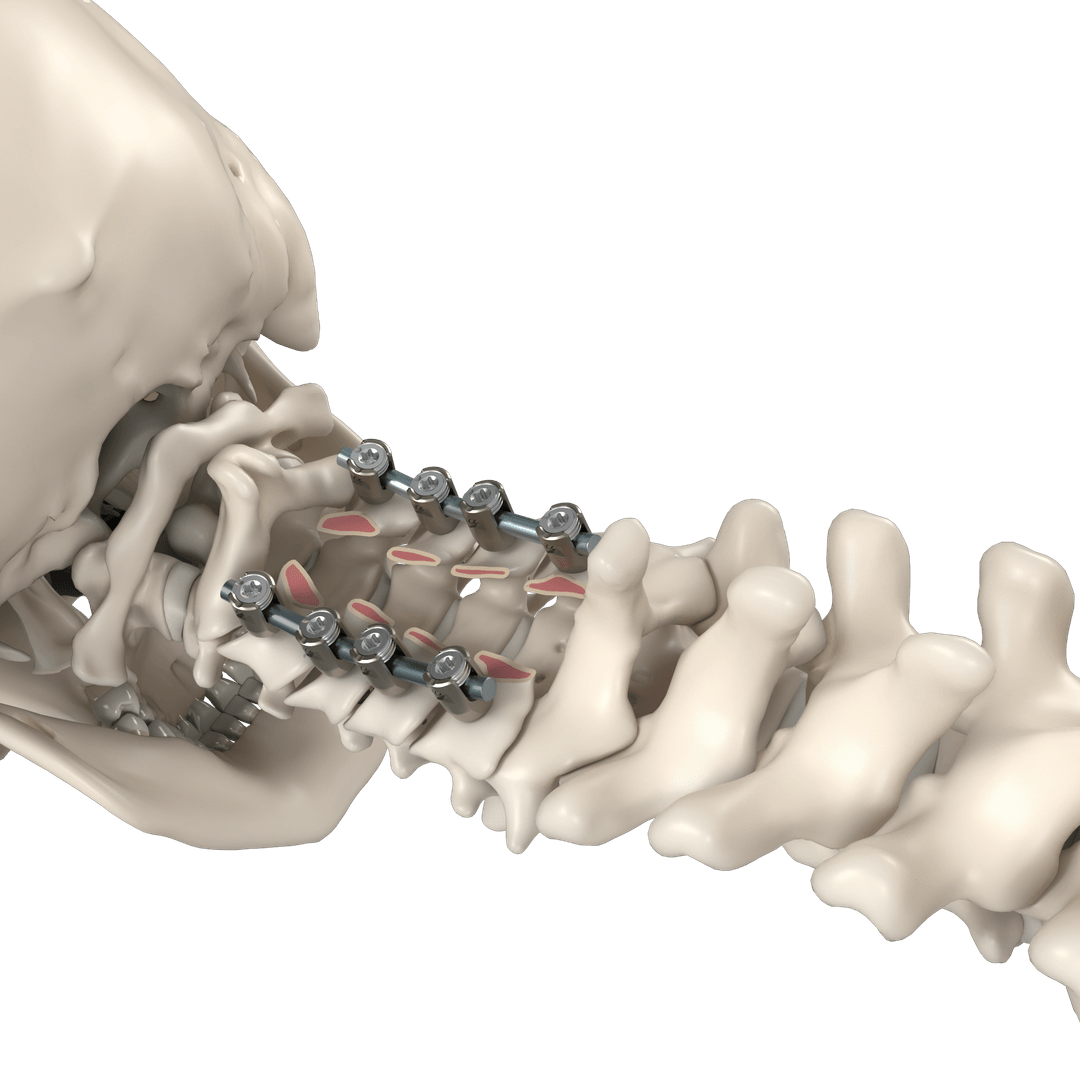
-p-1080.png)
What Is a Surgical Animation?
A surgical procedure animation outlines each step of device placement or technique, from initial approach to final outcome. These animations are ideal for educating clinicians, supporting training programs, and ensuring consistent understanding across diverse teams.
How the device works
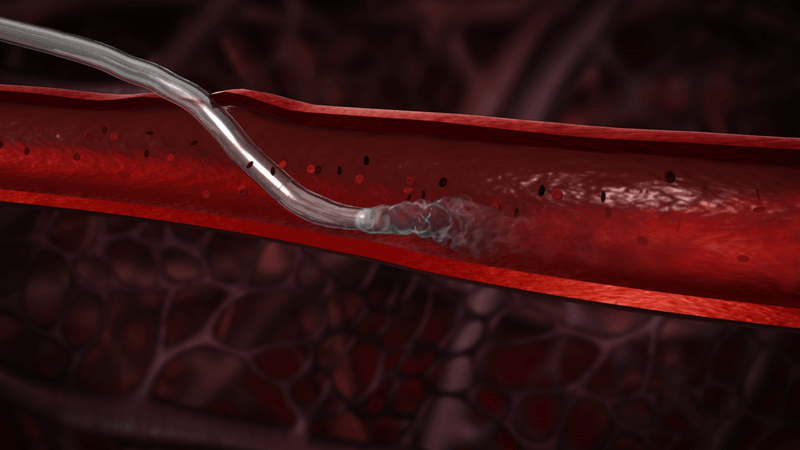
MOA (mechanism of action) animations focus on "how the device works physiologically", showing device function, therapeutic effect, and mechanism inside the body. MOA is for understanding mechanism.
How surgeons use the device
Surgical procedure animations focus on "how surgeons use the device", showing surgical technique, step-by-step placement, instrument usage, and procedural workflow. Surgical is for learning technique.
Who Surgical Animations Are For?
For Clinical Teams
Proctoring and procedural education, staff training, or standardizing technique.
For Marketing & Product Teams
Demonstrating technique during launches, improving product understanding, providing clarity for KOLs
For Sales Teams
Training reps faster, reducing confusion in early device adoption, strengthening hospital conversations
What You Get
- Step-by-step device placement sequence
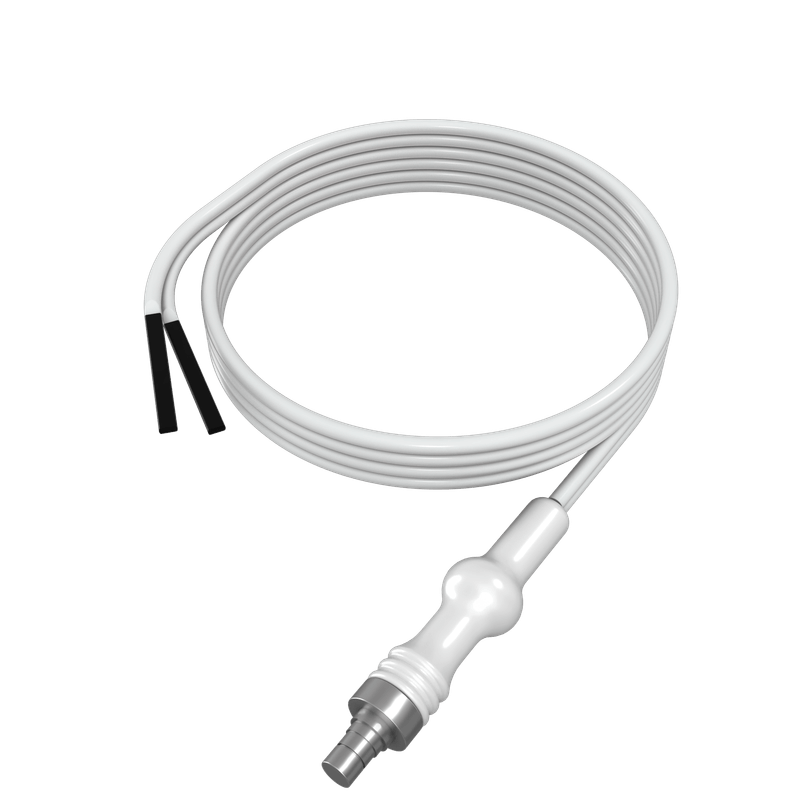
- Instrument and tool visualization
- Multiple video formats
- Optional project files for future updates
-p-1080.png) Surgical Procedure Animation
Surgical Procedure AnimationFrequently asked questions
Everything you need to know about Surgical Procedure Animations
What makes your surgical animations accurate?
Can you show multiple surgical approaches?
What's the difference between MOA and surgical procedure animation?
Can surgeons review the animation before final delivery?
Most projects use more than one.
-p-800.png)
-p-800.png)
Reduce Training Time. Accelerate Adoption.
Bring the technique guide and the CAD. Your surgeons review every step before it ships.