-p-1600.png)
Investors & Startups
Turn complex medical device ideas into investor-ready visual stories.
A sampling of animations for startups
This is what a 90-second animation could explain for you.
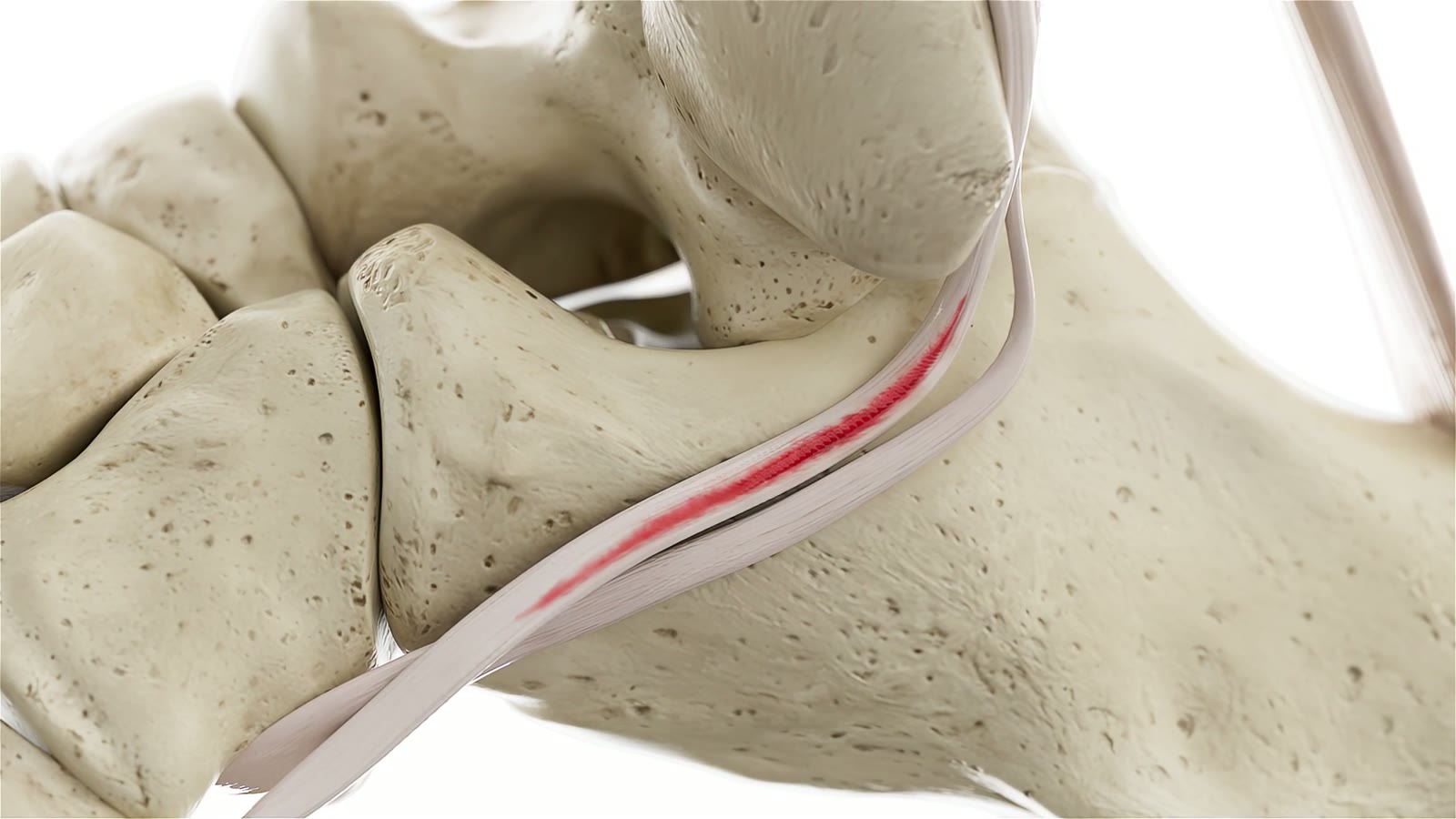
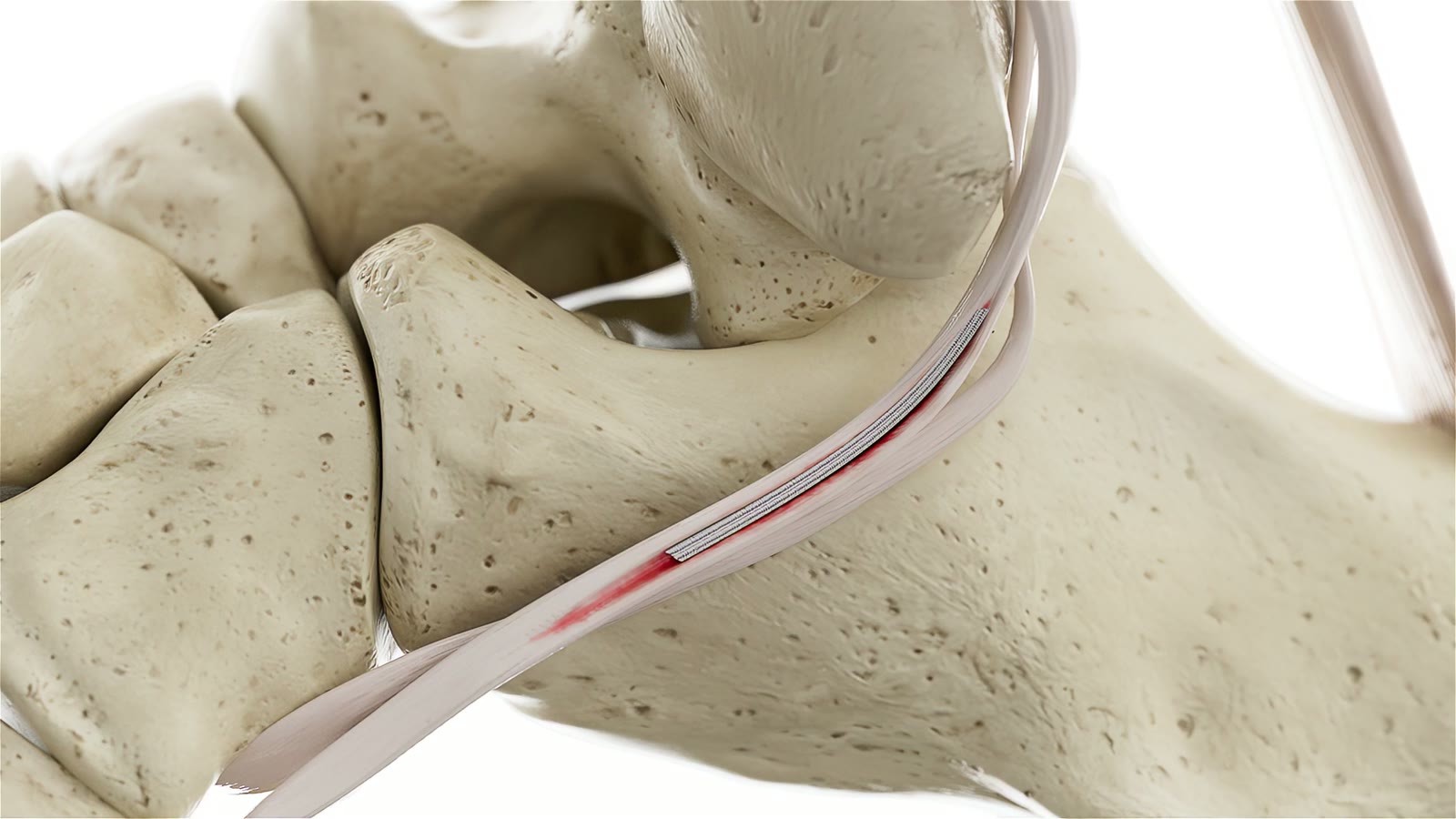
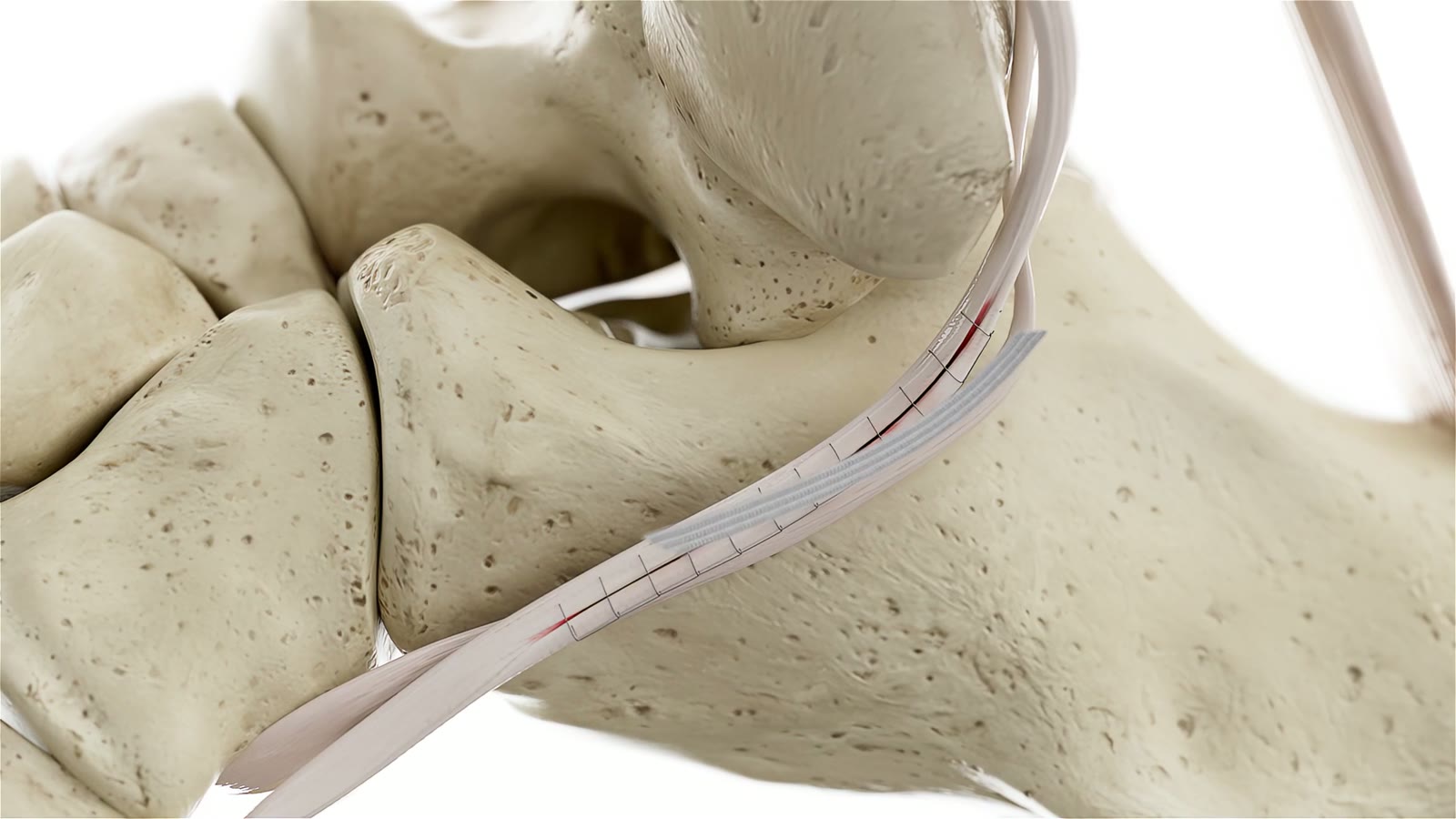
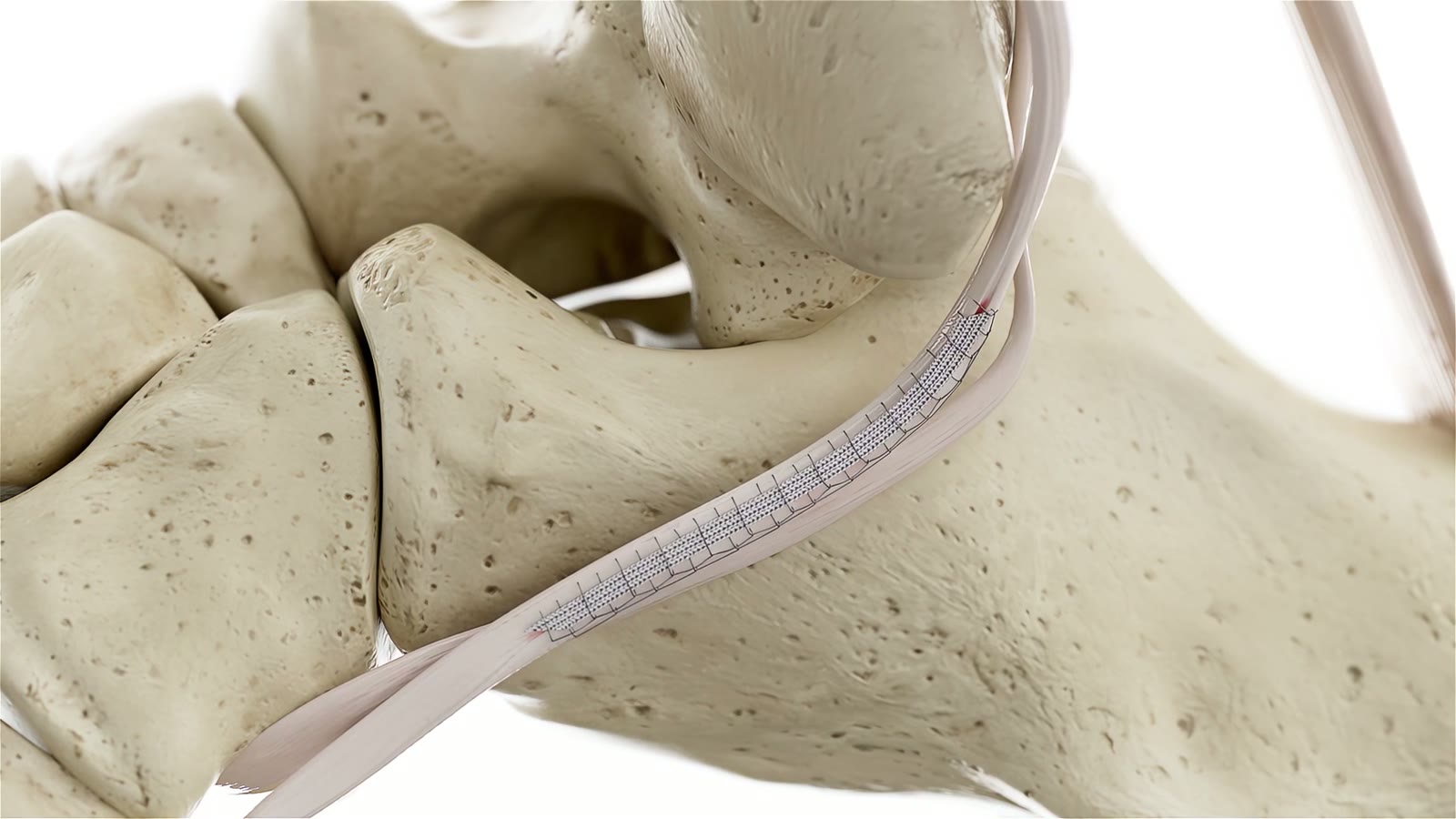
Four things an investor needs to understand, in the order the animation shows them. Drag the playhead, or let it run.
More Investor-Pitch Focused
Our 3D animations make sophisticated technologies easy to understand, even for non-technical audiences, helping startups and device companies pitch with clarity and confidence.
Investors decide fast. Your technology needs to be understood just as fast. We create medical device animations that simplify complex science into clear, engaging visuals - helping investors grasp the concept, value, and potential of your innovation in seconds.
- Helping investors understand complex medical devices - fast.
- Complex medical technology, clearly explained through animation.
- Investor-ready medical device animation.
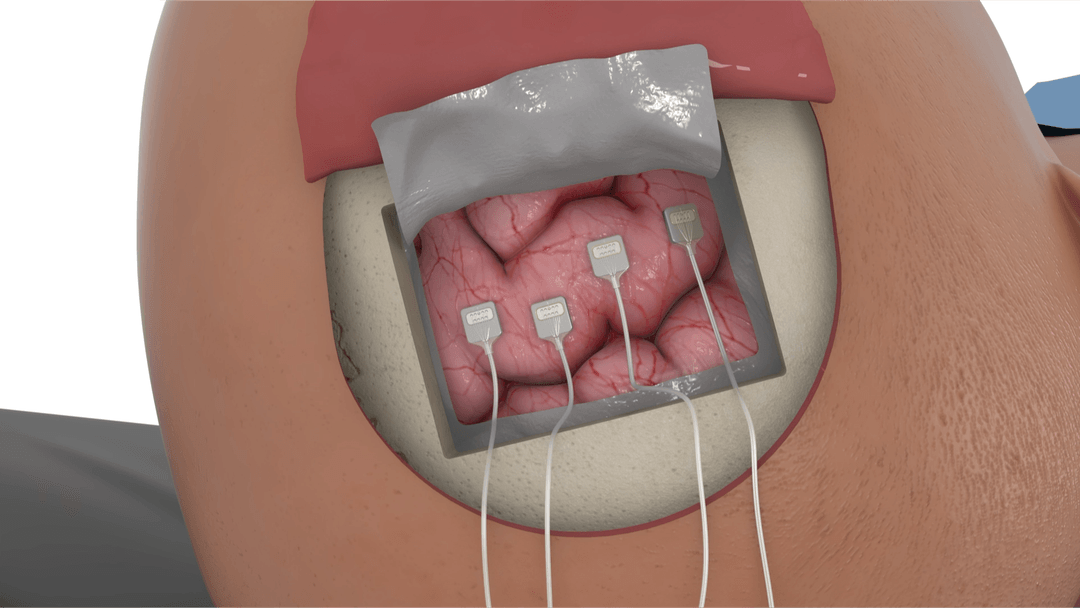 Investor deck frame
-p-1080.png)
Who it is for
Investor-focused animations emphasize clinical differentiation, market opportunity, and competitive advantage rather than surgical technique details.
Series A/B pitches
One cut a partner can forward to the rest of the fund, with the mechanism and the market in the same ninety seconds.
Strategic partnership discussions
Give a strategic’s clinical team the device story without a demo unit in the room.
IPO roadshows
A polished explainer that survives a twenty-minute meeting and a crowded slide.
Pitch it before it is manufactured.
We can create launch content based on CAD files, prototypes, or design specifications even if the final product isn't manufactured.
CAD, a prototype, or a spec sheet
This allows you to have marketing content ready for early conferences, investor meetings, or pre-launch education.
The animation is updated, not rebuilt
We can update the animation once the final product is complete. This approach is common for venture-backed startups preparing for clinical trials or early commercialization.
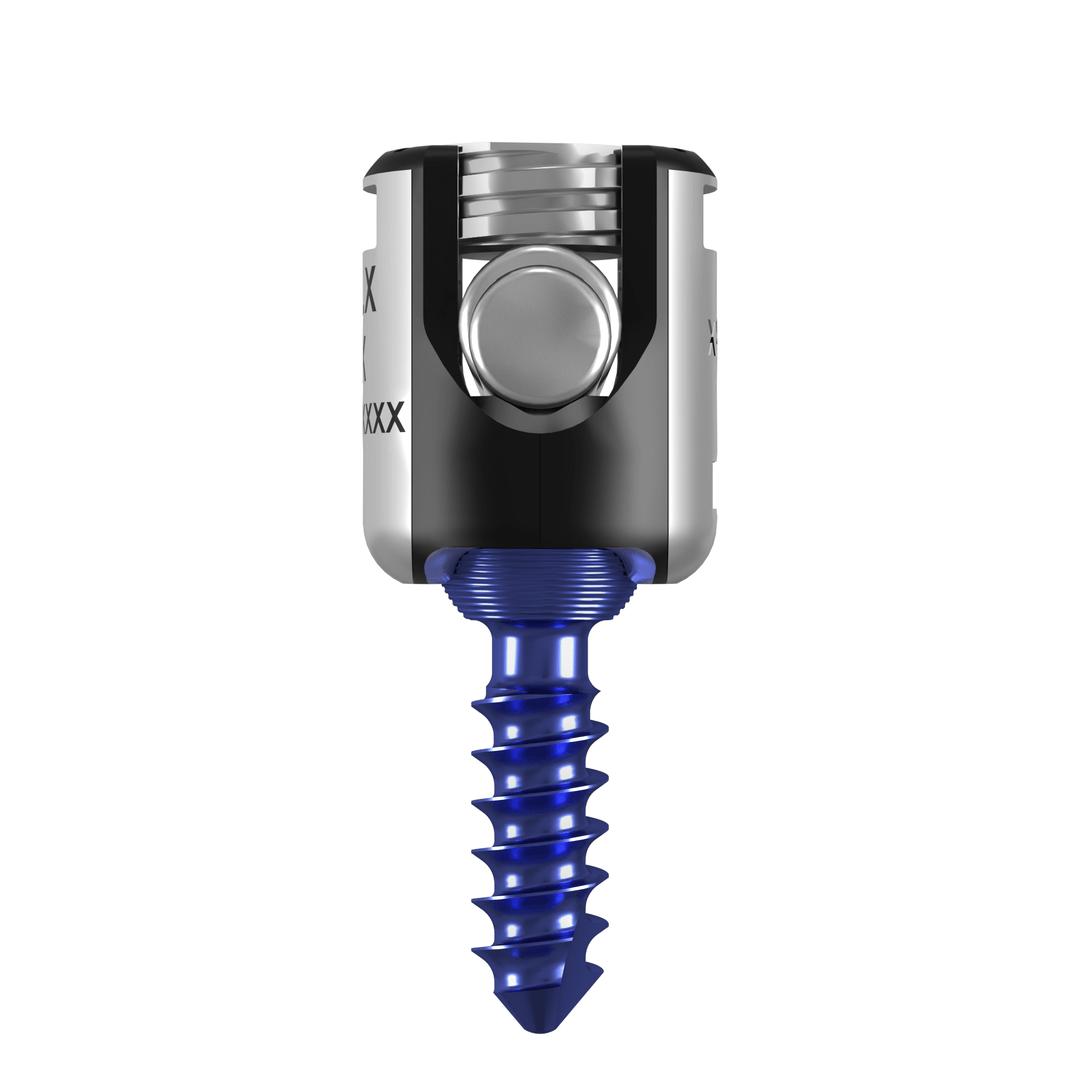 Rendered from CAD, no prototype yet
What You Get
- A 90-second to 2-minute investor cut
- Still frames for the pitch deck
- Multiple video formats
- Optional project files for future updates
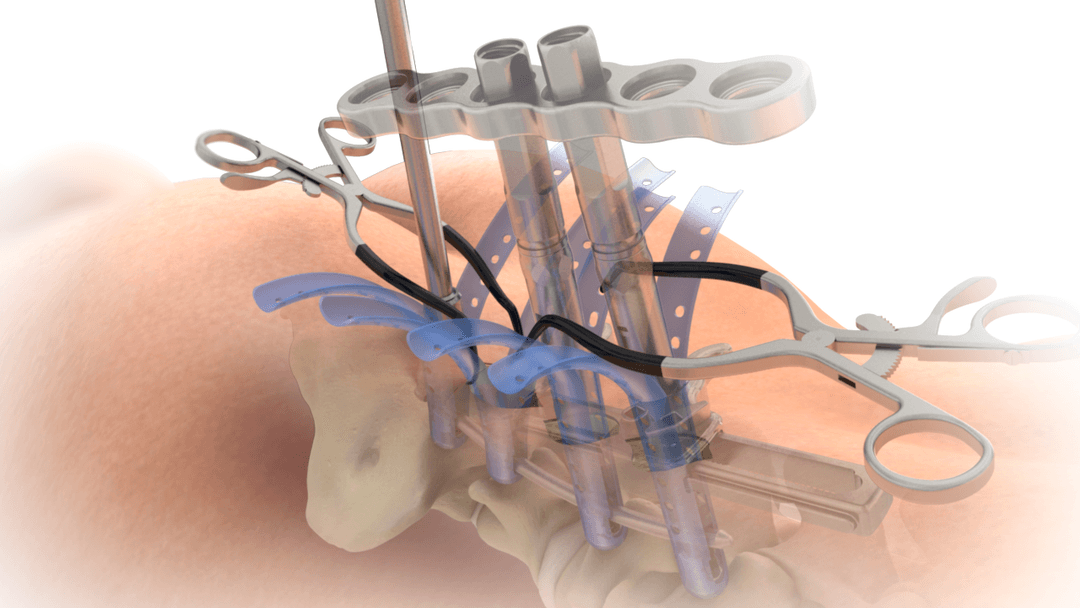 Investor & Startup Animation
Frequently asked questions
Everything you need to know about investor and startup animations
Do you create animations for investor presentations?
What if our product isn't finalized when we need to launch?
How long does an animation take to produce?
Most projects use more than one.
-p-800.png)
-p-800.png)
-p-800.png)
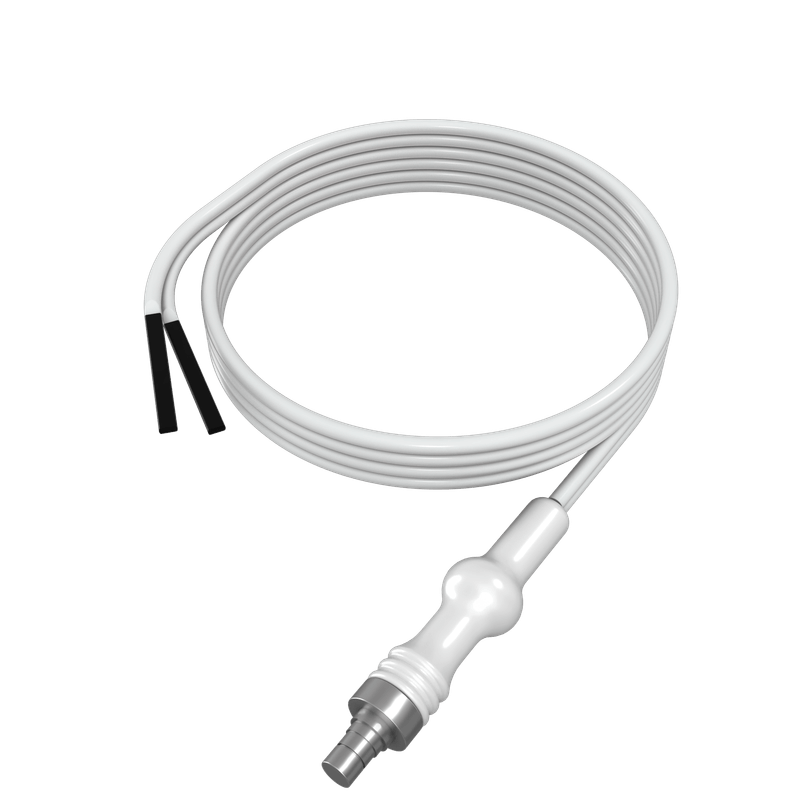
Investors decide fast.
Your technology needs to be understood just as fast.